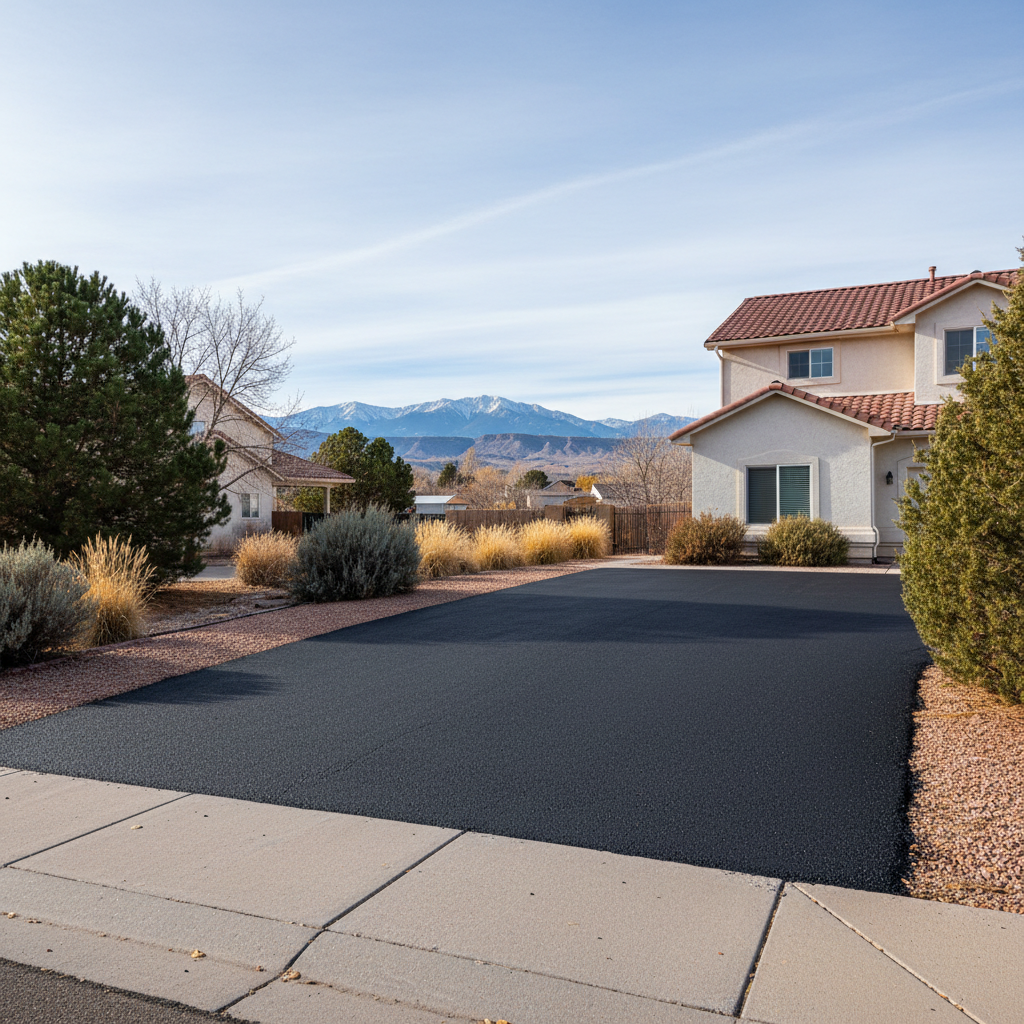
You've got an asphalt driveway or parking lot, and you know it needs looking after. Down here in Pueblo, our weather isn't always kind to asphalt. One of the best ways to protect your investment is sealcoating, but timing is everything. Get it wrong, and you're just throwing money away.
When to Schedule Your Sealcoat in Pueblo
This isn't a job you can do just any time of year. For sealcoating to cure properly and do its job, you need consistent warm weather. That means we're generally looking at a window from late spring through early fall here in Pueblo.
- Late Spring (May-June): This is often the sweet spot. The ground has warmed up from the winter, and we're usually past the last hard freezes. Days are consistently warm, and the nights aren't dipping too low. It gives the sealcoat plenty of time to set before the intense summer sun.
- Summer (July-August): Still a good time, but you've got to watch out for the afternoon thunderstorms we get sometimes. More on that in a bit. The heat helps the product cure fast, which is good, but too much direct, scorching sun right after application can sometimes be an issue if not managed right.
- Early Fall (September-October): This can also work well, especially if we have a mild fall. The days are still warm enough, and the nights haven't gotten too cold yet. You want to make sure the sealcoat has a good few weeks to cure before temperatures consistently drop below 50 degrees Fahrenheit. If you wait too long, like into November, you're risking poor adhesion and a shorter lifespan for the sealcoat.
Don't try to push it in the dead of winter or early spring when we're still getting those frosty mornings. The material won't bond right, and you'll be calling us back sooner than you should.
Weather Conditions That Affect the Job
It's not just the season; it's the day-to-day weather too. When I'm planning a job for Pueblo Asphalt Solutions, I'm checking a few things:
- Temperature: The air and pavement temperature needs to be at least 50 degrees Fahrenheit and rising. And it needs to stay above that for at least 24 hours after application. If it gets too cold, the sealcoat won't cure properly, leaving it soft and prone to tracking.
- Rain: This is a big one. You can't apply sealcoat to wet pavement, and it absolutely cannot rain for at least 24 hours after application. If it does, the sealcoat can wash away, streak, or not bond to the asphalt. Those sudden afternoon downpours we get in July and August? They can really mess up a schedule. We're always watching the radar closely.
- Humidity: High humidity can slow down the curing process. While it's not as critical as temperature or rain, it's something we factor in.
- Wind: Strong winds can pick up dust and debris, embedding it in the fresh sealcoat. It can also cause the sealcoat to dry too quickly in some spots, leading to an uneven finish.
We'll always reschedule if the weather isn't cooperating. It's better to wait a day or two than to do a shoddy job that won't last.
Protecting Your Investment Year-Round
Once your driveway is sealcoated, you're not done. You've got to keep an eye on it to make sure it lasts. Here's what I tell my customers:
- Keep it Clean: Sweep off dirt, leaves, and debris regularly. Don't let oil or gas spills sit. Clean them up immediately with an absorbent material. These can break down the asphalt and the sealcoat.
- Watch for Cracks: Even with sealcoating, cracks can develop. Our freeze-thaw cycles here in Pueblo, especially with the expansive clay soils in some areas like the Belmont neighborhood, can really put stress on pavement. If you see small cracks, get them filled quickly. Water getting into those cracks and freezing is what causes bigger problems.
- Avoid Heavy Loads: Try not to park heavy equipment or RVs on your asphalt for extended periods, especially in the same spot. This can cause depressions or cracking over time.
- Don't Drive on Edges: The edges of your driveway are the weakest points. Try to avoid driving off the paved surface or making sharp turns right at the edge.
- Plan for Reapplication: A good sealcoat job typically lasts 2-3 years, depending on traffic and weather exposure. Don't wait until your driveway looks completely faded and cracked before you call us again. Stay ahead of it. Regular maintenance is always cheaper than a full replacement.
Taking care of your asphalt isn't just about making it look good; it's about extending its life and saving you money in the long run. If you've got questions about your Pueblo driveway or parking lot, give us a call. We're here to help.