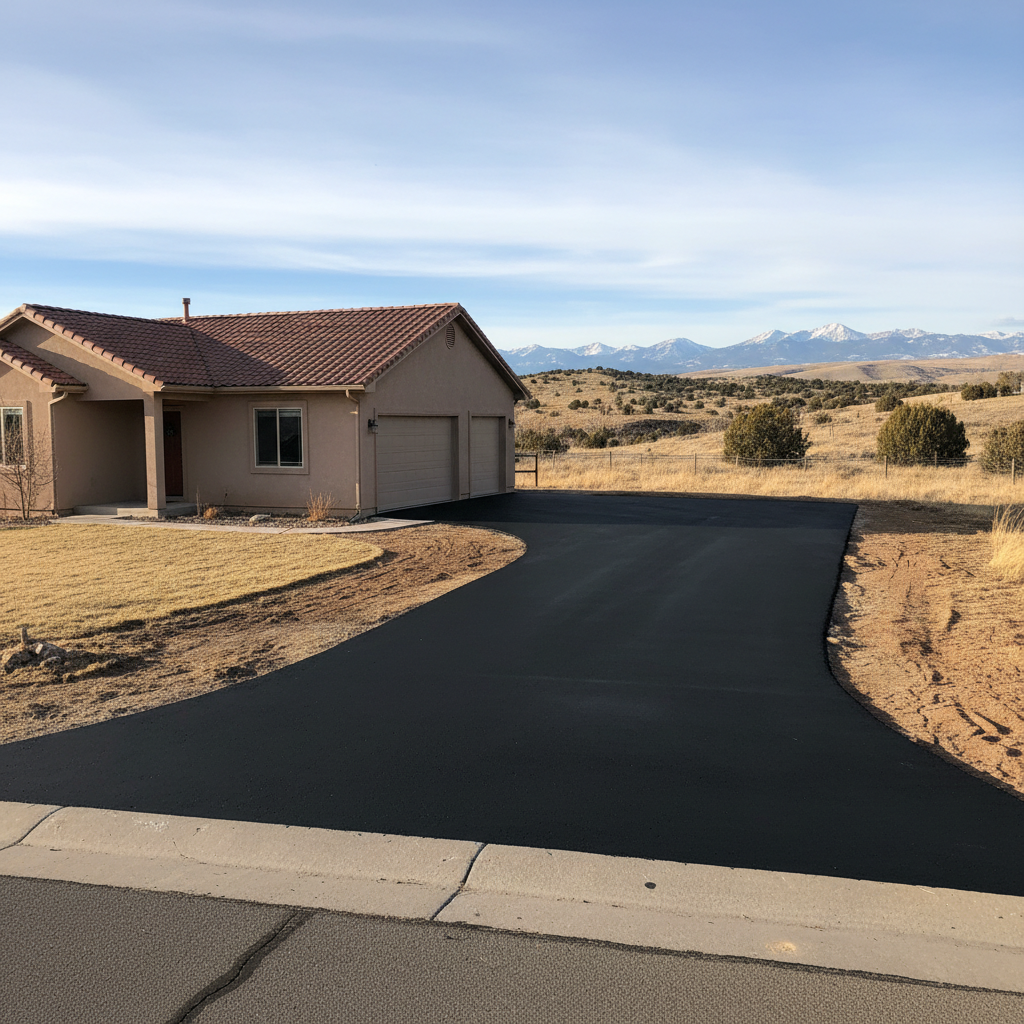
You've got an asphalt driveway, and you know sealcoating is a big part of keeping it in good shape. But here in Pueblo, with our crazy weather, timing is everything. You can't just slap sealcoat down any old time and expect it to do its job right. It's about understanding our climate and making sure your investment pays off.
Why Pueblo's Climate Matters for Sealcoating
Our high desert climate isn't like other places. We get intense sun, big temperature swings, and sometimes, those sudden afternoon thunderstorms. All these factors directly affect how sealcoat cures and how long it lasts. If you apply it when it's too cold, it won't cure properly. Too hot, and it can dry too fast, leading to cracking or a weak bond. Rain, obviously, is a no-go.
Think about those hot summer days when the asphalt in your driveway gets so hot you can feel the heat radiating off it, especially if you live in an older neighborhood with lots of blacktop like Belmont or Sunset. That's a lot of stress on your pavement, and sealcoat acts like a sunscreen and a protective barrier. But it needs the right conditions to set up and do its job.
The Best Time to Schedule Your Sealcoat
Generally, you're looking for moderate temperatures. Here in Pueblo, that means spring and fall are your prime windows. I'm talking about when the daytime temperatures are consistently between 50°F and 90°F. And it's not just the daytime high; the overnight lows matter too. You want those lows to stay above 40°F for at least 24-48 hours after application.
- Spring (Late April to Early June): This is often ideal. The ground has warmed up from winter, but we haven't hit the scorching summer heat yet. The air is usually drier than fall, which helps with curing. Just watch out for those late spring snow showers or cold snaps; they can pop up unexpectedly.
- Fall (September to Mid-October): Another great window. The intense summer heat has passed, and the days are still warm enough for proper curing. The nights start getting cooler, so you've got to keep an eye on that forecast. Don't push it too late into October, or you risk those overnight freezes messing things up.
What you want to avoid is the peak of summer. Those 100-degree days we get? That's too hot. The sealcoat will dry too fast, not allowing it to properly penetrate and bond with the asphalt. You'll end up with a brittle surface that cracks sooner. And winter? Forget about it. Applying sealcoat in freezing temperatures is just a waste of money; it won't cure at all.
Weather Conditions That Affect the Work
Beyond just temperature, a few other things can make or break your sealcoating job:
- Rain: This is a big one. You need at least 24-48 hours of dry weather after application. If rain is in the forecast, any reputable contractor, including us at Pueblo Asphalt Solutions, will reschedule. Applying sealcoat to a wet surface or having it rain shortly after will wash it away or cause it to peel.
- Humidity: While not as critical as temperature or rain, very high humidity can slow down the curing process. It's usually not a huge issue here in Pueblo, but something to be aware of.
- Wind: A little breeze is fine, it can even help with drying. But strong, gusty winds can cause problems. They can blow dust and debris onto the wet sealcoat, embed foreign objects into your fresh surface, and make for a messy application.
- Direct Sunlight vs. Shade: Asphalt in direct sun will be hotter than asphalt in the shade. A good contractor will account for this, maybe starting in shaded areas earlier in the day or adjusting application techniques.
Protecting Your Investment Year-Round
Once your sealcoat is down and cured, you've done a lot to protect your driveway. But the work doesn't stop there. Here's how to keep it looking good and lasting longer:
- Keep it Clean: Sweep off dirt, leaves, and debris regularly. Don't let oil or gas spills sit; clean them up immediately with an appropriate cleaner. These can break down the sealcoat.
- Avoid Heavy Loads: Try not to park heavy equipment or RVs on your driveway for extended periods, especially in the summer heat. The weight combined with heat can cause indentations.
- Watch for Cracks: Even with sealcoat, small cracks can form. Address them quickly with crack filler. Don't let them grow into potholes. Water is asphalt's worst enemy, and cracks are its entry points.
- Re-Sealcoat on Schedule: Most driveways need sealcoating every 2-3 years. Don't wait until it's completely faded or cracking everywhere. Regular maintenance is key to preventing bigger, more expensive problems down the road.
Taking care of your asphalt driveway isn't just about making it look nice; it's about extending its life and saving you money in the long run. By understanding Pueblo's unique climate and timing your sealcoating right, you'll get the most out of your investment.