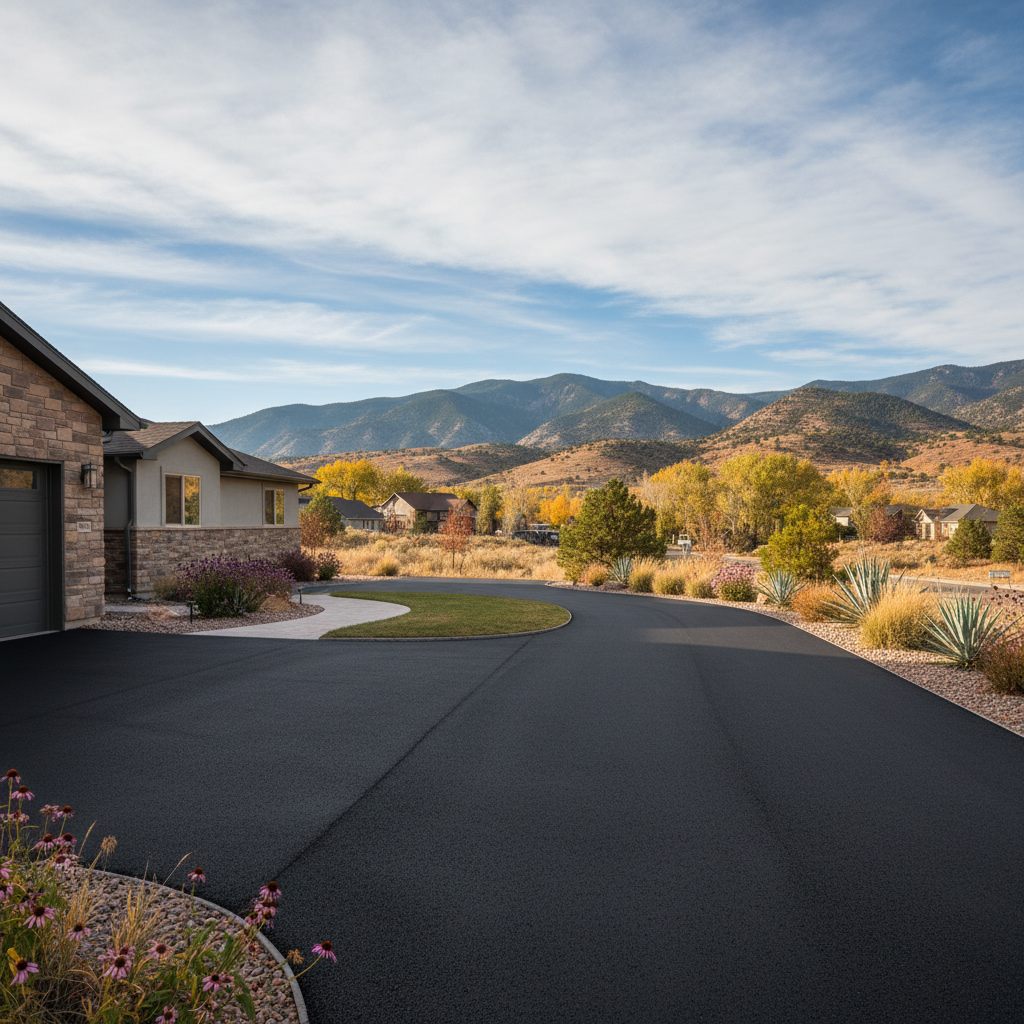
You've got a driveway, right? And if it's asphalt, you know it's a big investment. Here in Pueblo, our climate isn't always kind to pavement. We get those scorching summer days, the freezing winter nights, and everything in between. That's why understanding how to care for your asphalt through the seasons isn't just smart; it's essential if you want it to last.
When's the Best Time for Asphalt Work in Pueblo?
This is probably the most common question I get, and it's a good one. For major paving projects, like a new driveway or a full overlay, you're looking at spring, summer, and early fall. We need consistent temperatures for the asphalt to cure properly. That means daytime temps ideally above 50 degrees Fahrenheit and not dropping too far below freezing at night for a few days after the work is done.
Think about it: if it's too cold, the asphalt mixture doesn't compact right, and you end up with a weaker surface. Too hot, and it can be tough to work with and might not set as well. So, typically, April through October is our prime paving season. If you're thinking about a big job, getting on the schedule in late spring or early summer is usually your best bet. It gives the asphalt plenty of time to settle in before winter hits.
Pueblo's Climate and Your Driveway
Our specific weather patterns here in Pueblo really dictate how your asphalt behaves. We've got that intense high desert sun, which can cause oxidation and make your asphalt brittle over time. Then there's the freeze-thaw cycle in winter. Water seeps into tiny cracks, freezes, expands, and then thaws, leaving bigger cracks. That's how potholes start, folks.
You also see a lot of clay soil around Pueblo, especially in some of the older neighborhoods. If your sub-base wasn't prepped right, or if you have drainage issues, that expansive clay can shift and cause your asphalt to crack or heave. Good drainage is key. Make sure water isn't pooling on your driveway or running underneath it.
Year-Round Protection for Your Asphalt
So, what can you do to protect your investment? It's not just about getting it paved right; it's about ongoing care.
- Spring Check-Up: Once the snow melts and things dry out, walk your driveway. Look for new cracks, especially alligator cracking (a sign of base failure) or potholes. Small cracks can be filled before they become big problems.
- Summer Sealcoating: If your driveway is a few years old and hasn't been sealed, summer's a great time. Sealcoating protects against UV rays, water penetration, and gives your driveway a fresh, dark look. Just make sure the surface is clean and dry. We at Pueblo Asphalt Solutions can help you figure out if it's time for a sealcoat.
- Fall Prep: Before winter, clear off any leaves or debris. Make sure your gutters are directing water away from your driveway. If you have any standing water issues, address them now. You don't want water freezing on your asphalt.
- Winter Care: Be careful with snow removal. Avoid using metal shovels directly on the asphalt, and if you use a snowblower, keep it slightly raised. Chemical de-icers can be harsh; sand is a better option for traction if you need it. Try to avoid heavy vehicles driving on frozen, cracked asphalt.
It really boils down to paying attention. Your driveway talks to you; you just gotta listen. A little proactive maintenance goes a long way in extending the life of your asphalt and saving you from bigger headaches and costs down the road. Don't wait until a small crack turns into a crater. Catch it early, and your driveway will thank you for it.