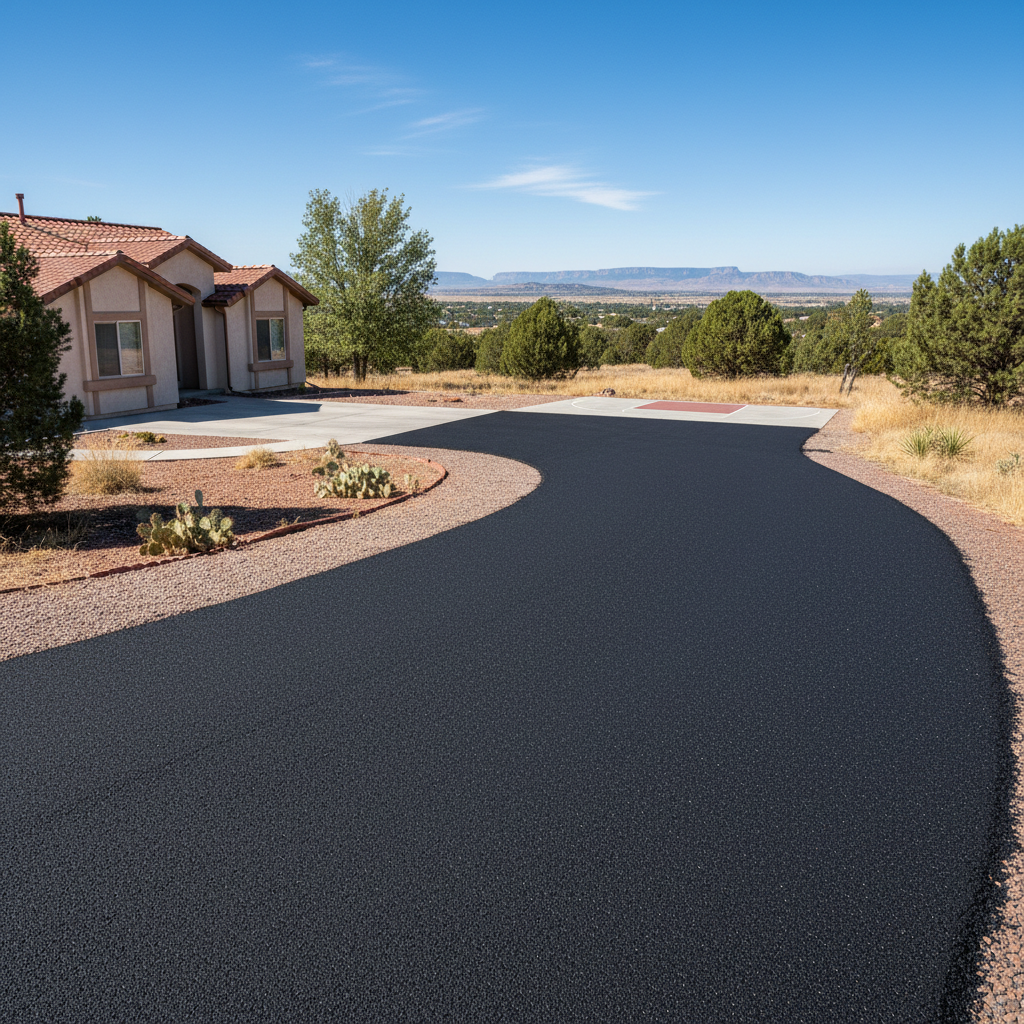
Finding a good asphalt contractor can feel like a shot in the dark, especially when you're spending a good chunk of change on your driveway or a new parking area. You want a quality job that lasts, not a headache down the road. I've been doing this for a while here in Pueblo, and I've seen it all – the good, the bad, and the downright ugly. So, let's cut to the chase. Here's how you can make sure you're hiring someone legitimate and competent.
What to Ask Before They Even Quote
You wouldn't hire someone to fix your car without asking a few questions, right? Same goes for your asphalt. Don't be shy; these questions are critical for your peace of mind and your wallet.
- Are you licensed and insured? This is non-negotiable. They should have general liability insurance at minimum. If they don't, and someone gets hurt or your property gets damaged, you could be on the hook. Ask for proof, not just a verbal 'yes.'
- How long have you been in business? Experience matters. A company that's been around for a while, especially in Pueblo, knows the local soil conditions and weather patterns. They've seen how our freeze-thaw cycles affect pavement.
- Can you provide references? A reputable contractor will be happy to give you a few names and numbers of past clients. Call them! Ask about their experience, the quality of the work, and if there were any issues, how they were handled.
- What's your warranty? A good contractor stands behind their work. Get the warranty details in writing. What does it cover? How long does it last?
- Who will be doing the work? Is it their own crew, or do they sub it out? It's not necessarily a deal-breaker if they use subs, but you should know who's actually going to be on your property.
Decoding the Quote: What to Look For
You'll get a few quotes, and they might look completely different. Don't just compare the bottom line. Dig into the details.
- Detailed Scope of Work: The quote should clearly outline everything they're going to do. This means prep work (excavation, grading, base material type and depth), asphalt thickness (usually 2-3 inches for residential driveways), compaction methods, and any drainage considerations. If it just says