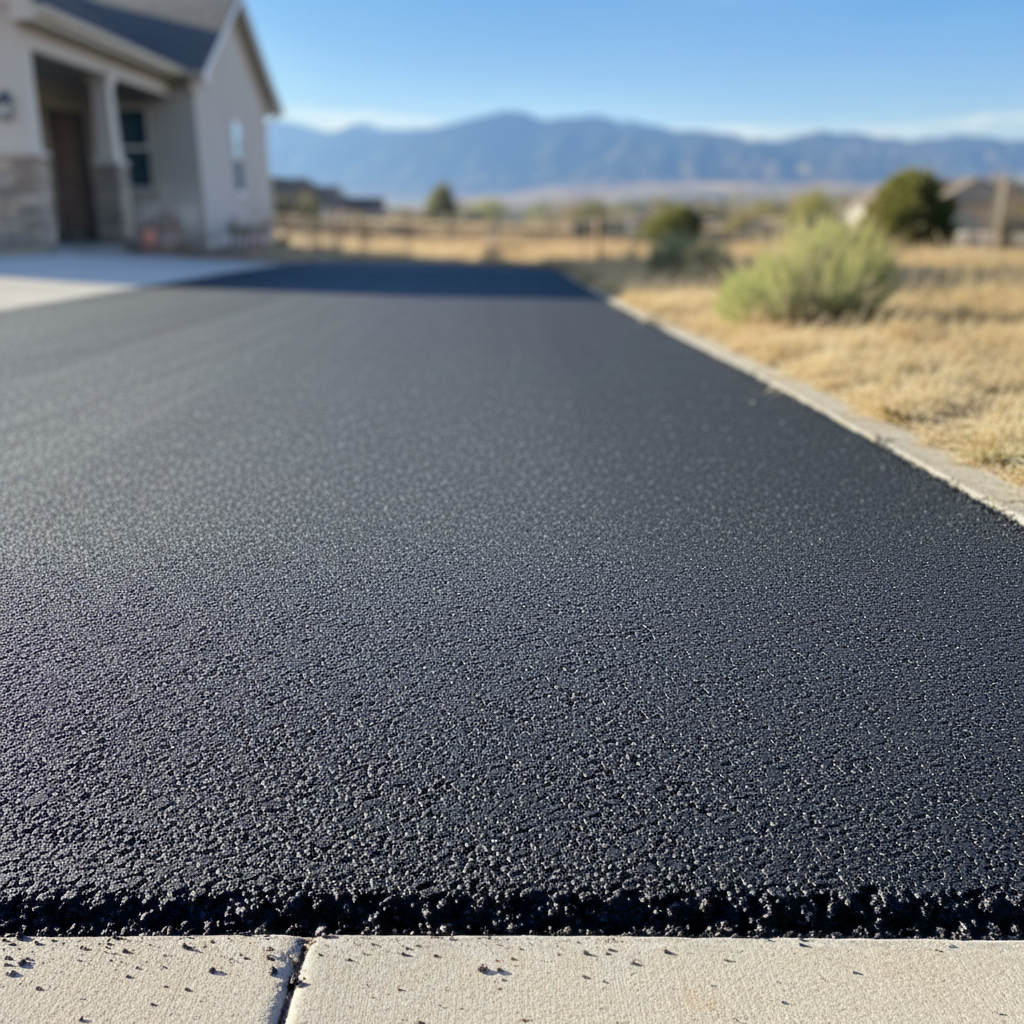
Alright, let's talk about asphalt. Specifically, the kind of asphalt work that might feel a bit 'commercial' but is totally relevant for a lot of homeowners here in Pueblo. Maybe you've got a long driveway, a private road leading to your property, or even a decent-sized parking area for your RVs and toys. It's not just for big businesses, you know.
Before You Even Think About Paving
First off, you gotta figure out what you're actually paving. Is it a brand new area? Are you tearing out an old concrete slab or a cracked-up gravel drive? This makes a huge difference in cost and complexity. If it's a new area, you're looking at excavation, grading, and a good base layer. If you're replacing something, it might be simpler, or it might uncover bigger problems.
DIY vs. Pro: The Groundwork
Can you do some of this yourself? Sure, if you're handy with a shovel, a skid steer, and a laser level. You can dig out the old stuff, haul away debris, and even lay down and compact some of the aggregate base. But here's the kicker: proper drainage is absolutely critical. Pueblo's clay soil, especially in areas like the North Side, can be a real pain if water sits on it. If your base isn't graded right, or if you don't have good drainage, you're going to have problems with your asphalt cracking and failing way sooner than it should. This isn't just about looking good; it's about making your investment last.
My advice? Unless you've got serious earthmoving experience and the right equipment, leave the major excavation and grading to someone who does it every day. It's the foundation of your project, and you don't want to mess it up.
During the Paving Process
Once the base is prepped and perfectly compacted, it's time for the asphalt. This is where most homeowners hit a wall, and for good reason. Laying asphalt isn't like pouring concrete. It's a hot, messy, and fast-paced job that requires specialized equipment and a crew that knows what they're doing.
DIY vs. Pro: Laying the Asphalt
Unless you own a paver, a roller, and have a crew of five guys ready to work with hot asphalt delivered by the ton, this is definitely a job for the pros. Asphalt needs to be laid at a specific temperature, spread evenly, and compacted quickly before it cools. If it's not done right, you'll end up with an uneven surface, poor compaction, and a driveway that won't hold up to our Colorado sun and winter freezes. You'll see potholes, cracks, and unraveling edges in no time.
When you're getting bids, ask about the thickness of the asphalt they're planning to lay. For a residential driveway that sees car traffic, 2-3 inches of compacted asphalt over a good base is usually sufficient. If you're parking heavy trucks or RVs, you might want to go thicker, say 3-4 inches. Don't just go for the cheapest bid; make sure they're using quality materials and applying it correctly. A good contractor, like us at Pueblo Asphalt Solutions, will walk you through these details.
After the Paving: Maintenance is Key
So, you've got your beautiful new asphalt. Now what? You can't just forget about it. Proper maintenance will significantly extend its life and protect your investment.
DIY vs. Pro: Keeping it Maintained
Curing Time: Don't drive on it immediately! Give it at least 2-3 days, sometimes longer if it's a really hot Pueblo summer day. Turning your steering wheel sharply in place can leave marks on new asphalt.
Cleaning: Keep it clean. Sweep off dirt, leaves, and debris regularly. Oil and gas spills? Clean them up right away. They'll eat away at the asphalt over time.
Crack Sealing: This is huge. Small cracks will appear over time, it's just a fact of life with asphalt. If you catch them early, you can clean them out and fill them with a good quality crack sealer. This prevents water from getting into the base layer, freezing, and expanding, which leads to bigger cracks and potholes. This is definitely something a handy homeowner can do themselves with products from the hardware store.
Sealcoating: Think of sealcoating as sunscreen for your asphalt. It protects it from UV rays, water, and chemicals, and gives it a fresh, black look. For most residential applications, you'll want to sealcoat every 2-3 years. You can buy sealcoat and apply it yourself with a squeegee or sprayer, but it's a big job, especially for a larger area. It's messy, takes time, and you need to make sure the surface is perfectly clean and dry. For bigger driveways or parking areas, calling a professional is often worth the cost to get a consistent, even application.
Pothole Repair: If you get a pothole, don't ignore it. You can buy cold patch asphalt at most home improvement stores and fill small potholes yourself. Clean out the hole, tamp down the cold patch, and drive over it a few times to help compact it. For larger or deeper potholes, or if you have multiple issues, a professional repair is usually best.
Look, a well-maintained asphalt surface can last 15-20 years, sometimes more. But if you neglect it, you'll be looking at a full replacement much sooner. So, do what you can yourself – crack sealing, cleaning – and know when to bring in the pros for the bigger jobs like sealcoating or major repairs. It'll save you money and headaches in the long run.